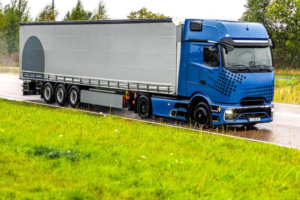
Maintaining a heavy-duty truck and trailer is important for ensuring safety, maximizing performance, and prolonging the life of your vehicle. These trucks and trailers are used to transport heavy machinery or large items. Therefore, you should neglect their regular maintenance. If you maintain a heavy-duty truck and trailer, you can avoid future risks of failure or accidents and prevent costly repairs.
Here are some essential maintenance tips to keep your truck and trailer in peak condition.
1. Schedule Regular Heavy-Duty Truck Alignment to Promote Even Wear
Proper alignment is an important aspect of heavy-duty truck and trailer maintenance. With regular heavy-duty truck alignment, you can ensure that wheels are in the correct position and your truck and trailer are safe for moving straight on the road. If the alignment is off, your fleet can experience uneven tire wear, unnecessary strain on steering components, and fuel efficiency drops. The main causes of misalignment are rough roads, potholes, and carrying heavy loads all the time. However, if you consider scheduling heavy duty truck alignment at regular intervals, you can extend tire life, improve vehicle handling, and even reduce the stress on suspension parts. Ultimately, you can enjoy better driving comfort and safety while driving on the road.
2. Rely on Onsite Truck and Trailer Repair to Quickly Address Issues
Unexpected mechanical issues can happen at any time and lead to costly downtime or missed deadlines. However, if you choose to rely onsite truck & trailer repair services, you can immediately handle the minor and major problems without any need to tow your truck and trailer to a repair facility. Especially if your fleets are operating on a tight schedule or on busy roads or in remote locations, there is no better option than on-site repairs. These repairs offer quick response times and convenience for maintaining truck and trailer efficiency. Skilled technicians diagnose issues early and perform emergency fixes. Overall, you can prevent small problems from escalating into major repairs with an on-site fleet repair option.
3. Conduct Routine Inspections of Brakes, Suspensions, and Axles
Safe brakes, suspension systems, and axles ensure the safety and stability of heavy-duty trucks and trailers. It is essential to identify leaks, wear, or cracks before they affect the performance or lead to accidents. You should check the brake system for pad wear, air pressure consistency, and efficient response. The same inspection of suspension components, including shocks and springs, must be done to ensure they can handle heavy loads and uneven terrain. Also, axles should be examined properly for structural integrity and alignment. If you do these inspections carefully, you can not only enhance road safety but also comply with transportation regulations and avoid heavy penalties.
4. Regularly Check Tire Pressure
Checking tire pressure is another effective maintenance practice. If the tires are underinflated or overinflated, there will be higher chances of poor traction, increased rolling resistance, and risks of blowouts. Moreover, inappropriate tire pressure leads to poor fuel efficiency and load stability. That’s why it is important to regularly check tire pressure to reduce fuel consumption, improve handling, and extend tire lifespan.